
Resources
What Is a GS1 Barcode and Do You Actually Need One?
May
What Is a GS1 Barcode and Do You Actually Need One?
If you’ve ever tried to list a product on Amazon or get into a retail store, you’ve probably run into the term “GS1 barcode” and wondered whether it’s something you actually need or just another hoop to jump through.
Here’s the short answer: it depends on where you’re selling. But if you’re serious about growing your product into retail or major online marketplaces, you’ll need one eventually. Better to understand it now than scramble later.
What Is GS1, Exactly?
GS1 is a nonprofit organization that manages the global system of product identification standards. When you see a barcode on a box of cereal or a bottle of shampoo, that barcode was almost certainly issued through the GS1 system.
The number encoded in that barcode is called a GTIN (Global Trade Item Number). Think of it like a social security number for your product, a unique identifier that follows it through every supply chain, retailer, and inventory system in the world.
GS1 barcodes aren’t just a format. They’re a registered identity. That’s the key distinction.
What Types of GS1 Barcodes Are There?
The most common ones you’ll encounter:
UPC-A — The classic barcode you see on almost every consumer product in North America. 12 digits. Required by most major US retailers.
EAN-13 — Same concept, 13 digits, used internationally. If you’re selling outside the US, this is what you need.
GS1-128 — Used in shipping and logistics. Can hold a lot more information, like batch numbers, expiration dates, and quantities. You’ll see these on cases and pallets.
GS1 DataMatrix / QR Code — Newer 2D formats that can hold even more data. Retailers like Walmart and Dillard’s are already pushing suppliers to adopt these. This is the direction the industry is heading.
Do You Actually Need One?
This depends entirely on your sales channel.
Yes, you need a GS1 barcode if you’re:
- Selling on Amazon (they require GS1-verified GTINs for most categories)
- Getting into Target, Walmart, Whole Foods, or any other major retailer
- Selling internationally
- Working with distributors who connect to retail supply chains
You might not need one if you’re:
- Selling only through your own website or at farmers markets
- Using barcodes purely for internal inventory tracking
- A small batch producer with no plans to scale into retail
That said, if you ever want to grow into those channels, you’ll need to register anyway. Doing it early means the GTIN is tied to your brand from day one, which matters when retailers verify product authenticity.
How Much Does It Cost?
Pricing comes straight from GS1 US:
- Single GTIN: $30 one-time, no renewal fee. Good if you have just a handful of products.
- Company Prefix: starts at $250 for up to 10 GTINs, with a $50/year renewal fee. This is what you want if you have a product line or plan to grow.
One thing to understand about a Company Prefix: it lets you generate your own GTINs under your company’s registered identifier. That means every barcode you create is traceable back to you as the brand owner, which is what retailers and Amazon actually check.
How Many Barcodes Do You Need?
More than you think.
Every unique variation of a product needs its own barcode. That means different sizes, colors, flavors, or package types each get their own GTIN. GS1 has a useful way to think about it:
A t-shirt in 3 sizes and 3 colors = 9 barcodes. Add 3 packaging options and you’re at 27. It adds up fast.
Plan your product line before you buy. Getting a Company Prefix upfront is often smarter than buying individual GTINs piecemeal.
Watch Out for Third-Party Barcode Sellers
You’ll find sites selling barcodes for $5 or less. Some of these are legitimate resellers of previously issued GTINs. The problem is that the GTIN in GS1’s database is still registered to the original company, not you.
Amazon specifically checks GS1’s database to verify brand ownership. If the GTIN doesn’t match your brand, you can get listings pulled or face account issues. It’s not worth the risk.
Buy your barcodes from GS1 directly or an authorized reseller if you want to be safe.
What Comes Next: 2D Barcodes
The barcode world is quietly going through a transition right now. Major retailers are starting to push suppliers toward 2D barcodes, formats like GS1 QR Codes and DataMatrix symbols because they can hold far more information than a standard UPC. We’re talking expiration dates, serial numbers, batch codes, and links to product pages, all in a single scan.
It’s not mandatory for most suppliers yet, but brands that get ahead of this will be in good shape when their retail partners start requiring it.
The Bottom Line
If you’re selling products through any major retail channel or marketplace, a GS1 barcode isn’t optional, it’s the price of entry. Getting registered is straightforward and the cost is reasonable. What matters is doing it through the official GS1 channel so your brand ownership is clean and verifiable from day one.
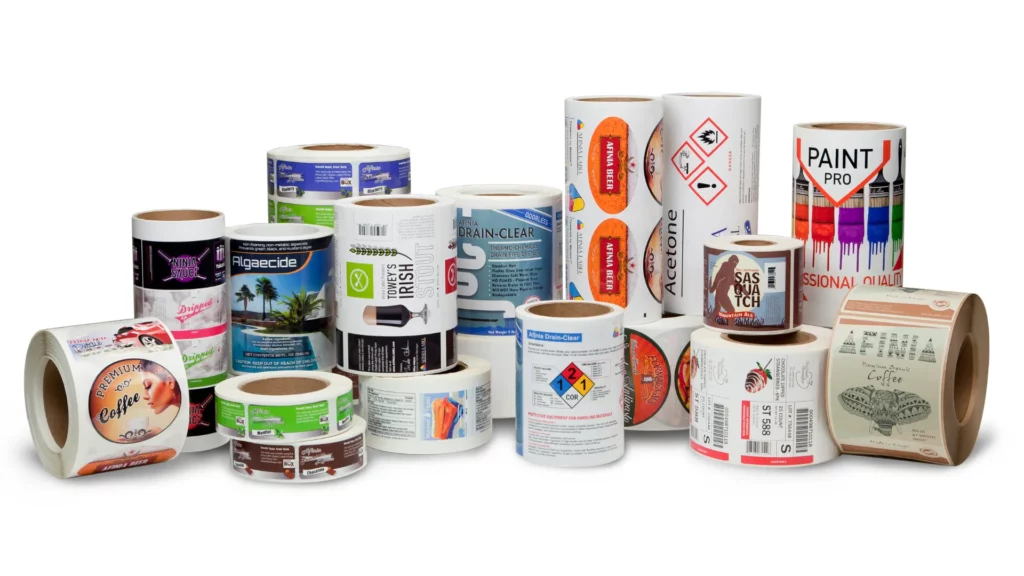
Once you have your GTINs, the next step is getting them onto labels that actually scan reliably. That’s where the quality of your label stock and printing setup matters more than most people realize, but that’s a topic for another post.
Pacific Barcode helps businesses print, manage, and apply product labels across industries. If you’re ready to get your labels printed once you have your barcodes, contact us or browse our label and printer solutions.
