
Blank Labels for Inkjet & Thermal Printing
Find the right blank labels for your printer, product, and application. Pacific Barcode supplies blank labels for color inkjet printing, barcode labeling, shipping, warehouse operations, and industrial use.
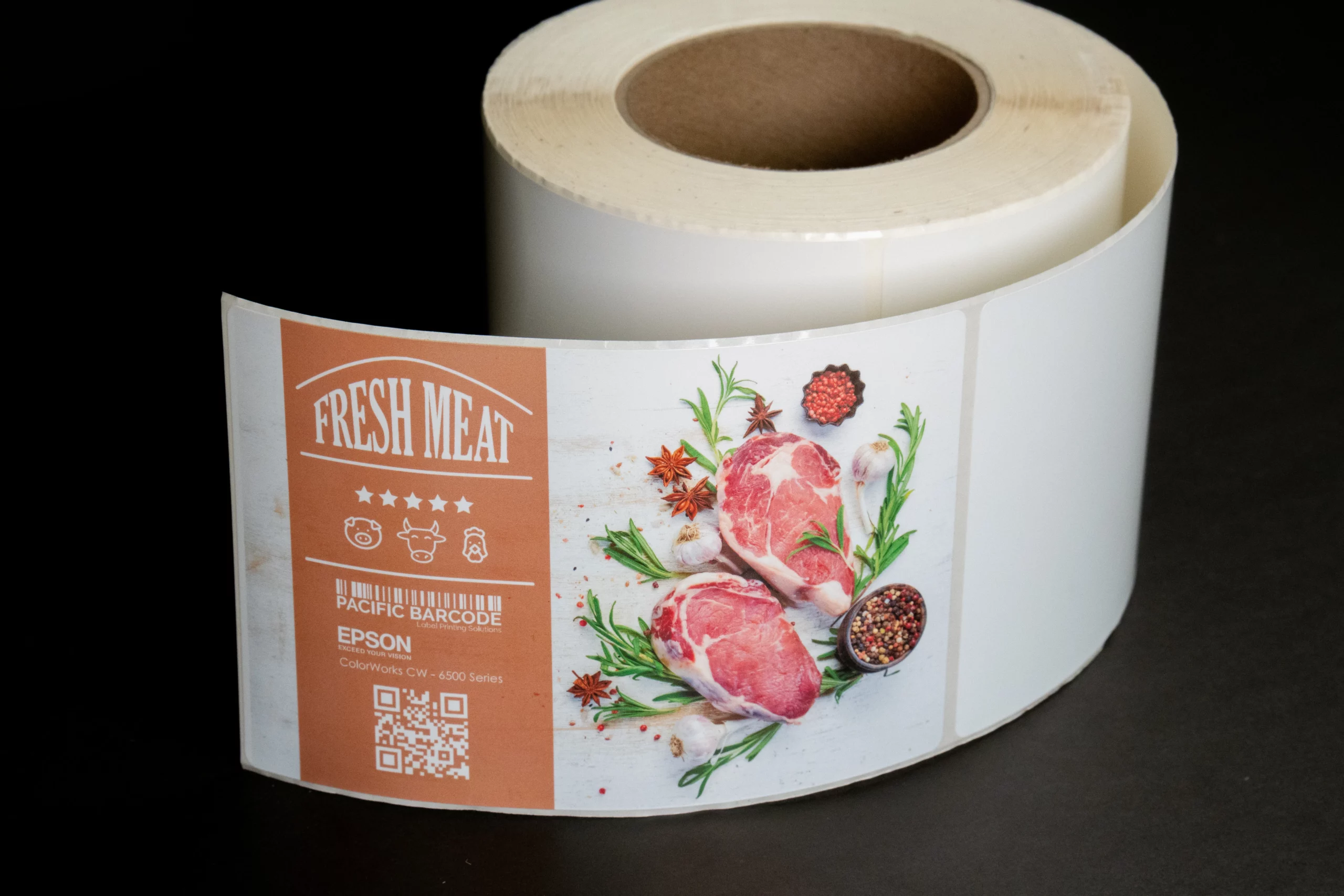

Find the right blank labels for your printer, product, and application. Pacific Barcode supplies blank labels for color inkjet printing, barcode labeling, shipping, warehouse operations, and industrial use.
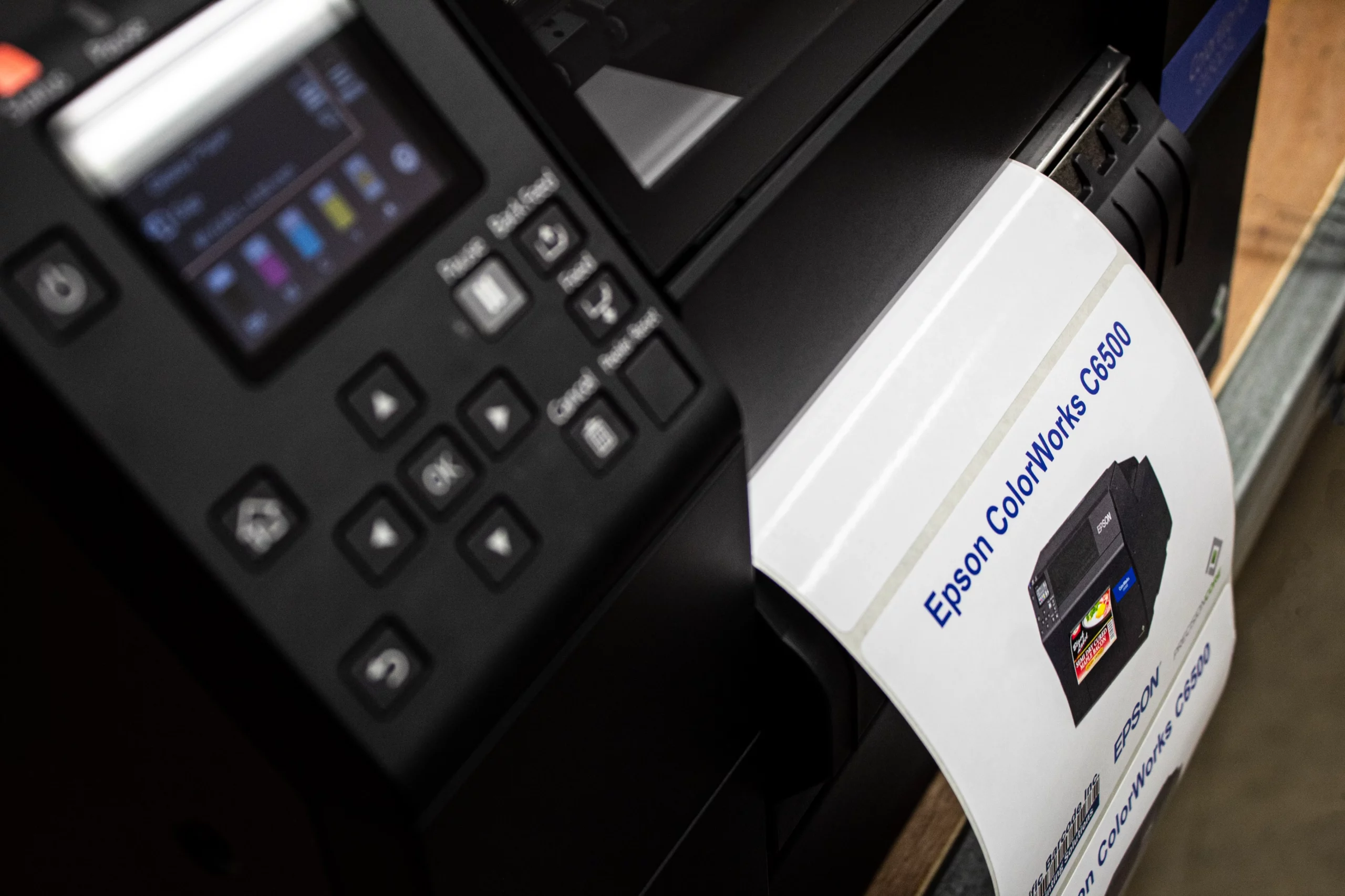
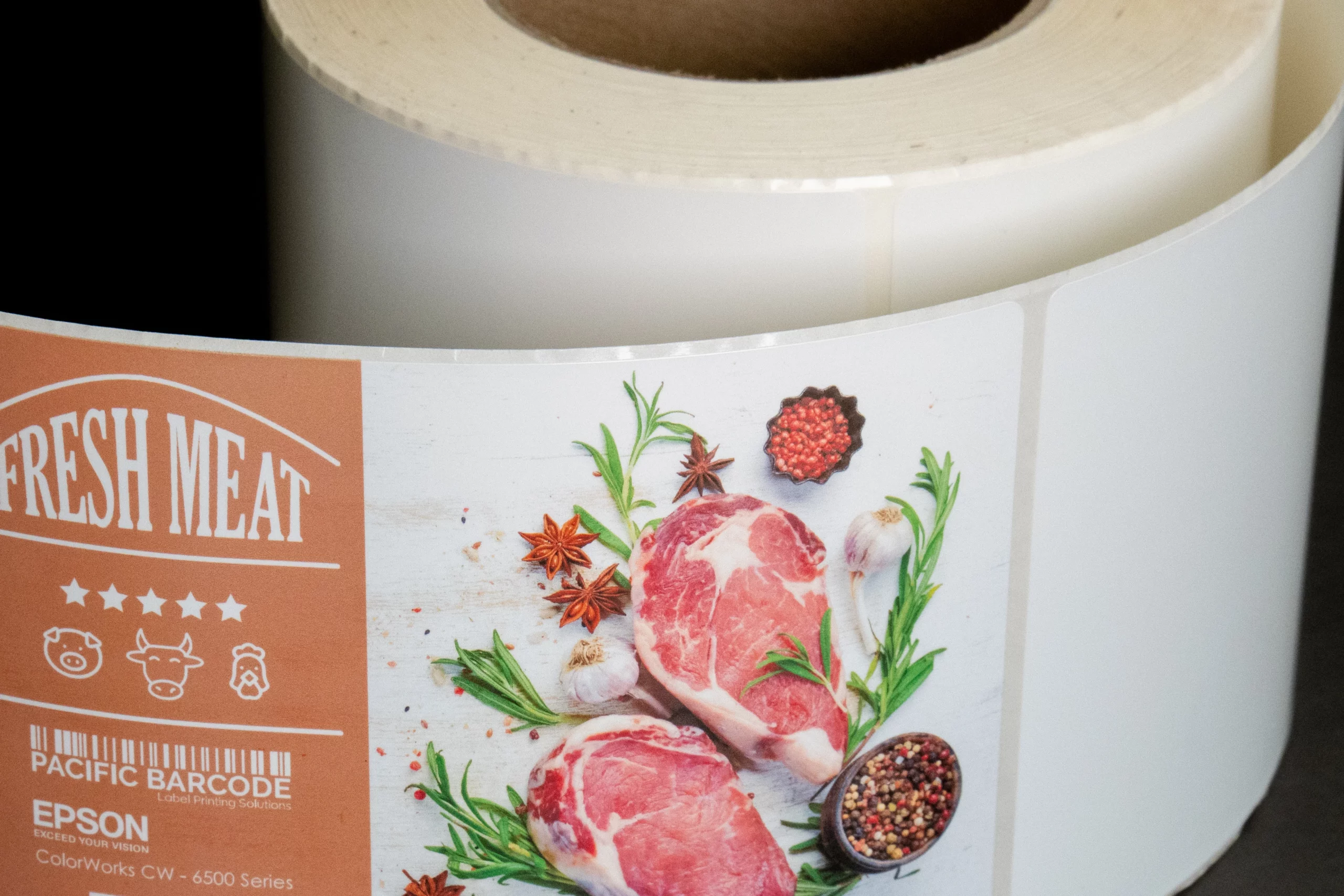
High-quality inkjet labels designed for sharp print results, vibrant color, and dependable performance. Ideal for product labeling, packaging, and other applications where print quality matters.

High-performance thermal labels built for fast, reliable printing in warehouse, retail, logistics, and operational environments. Designed for clear print quality, dependable scanning, and durable day-to-day performance.
Blank labels are used across industries for product identification, barcode labeling, shipping, warehouse operations, inventory control, and compliance. They give businesses the flexibility to print the exact information they need, when they need it.
Choosing the right blank label depends on your printer, label material, adhesive, surface, and environment. What works for color product packaging may not work for warehouse barcodes or compliance labeling.
Cost matters, but so do print quality, durability, longevity, sustainability, and design requirements. Matching the label to the application helps improve performance, reduce waste, and support smoother operations.

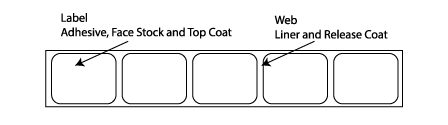
Blank labels may look simple, but they are actually layered materials designed to work with specific printing methods, surfaces, and end uses. Each layer plays a role in how the label prints, applies, performs, and holds up over time. Understanding these components helps you choose the right blank label for your printer, your environment, and your application.
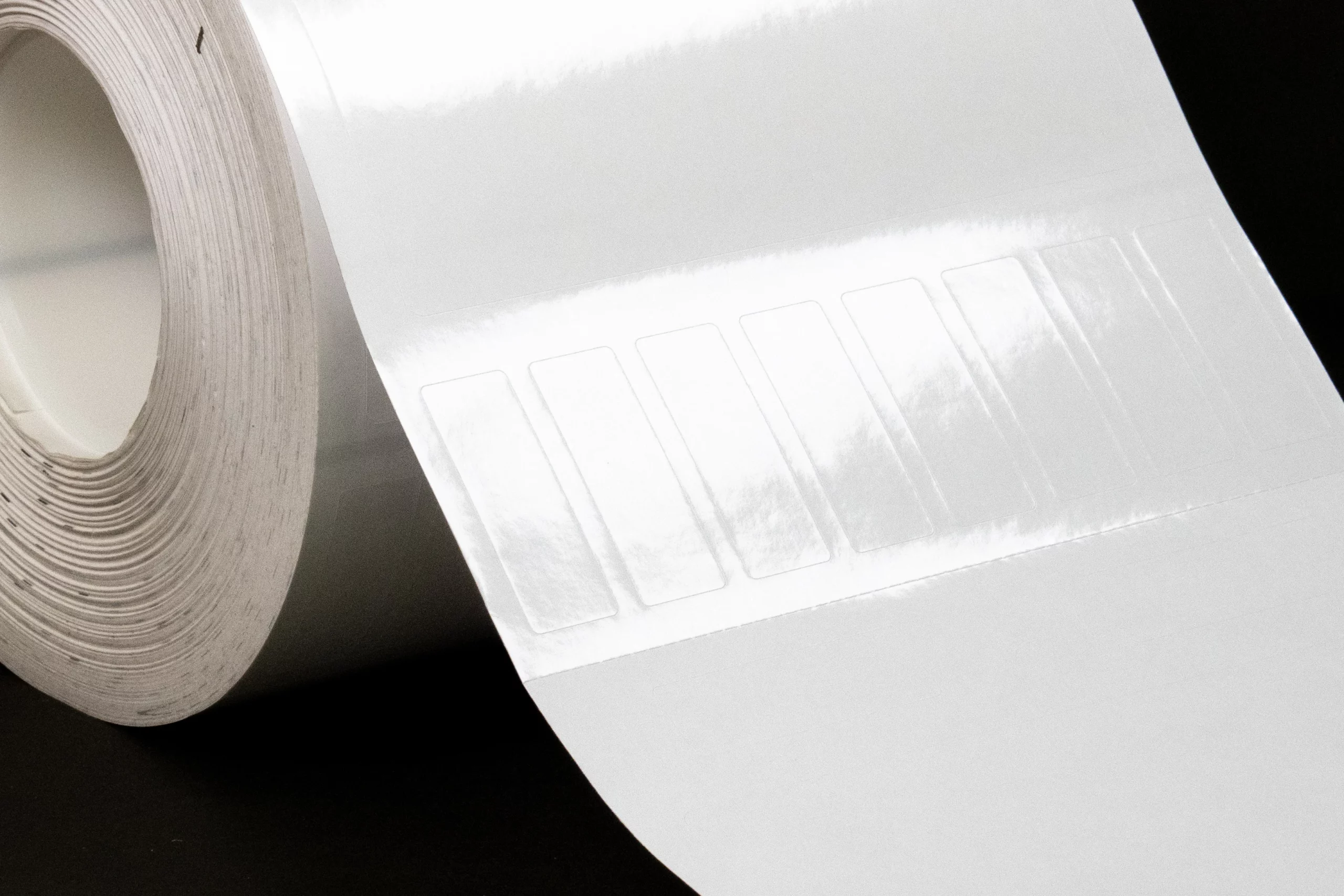
The liner is the backing paper that carries the labels before they are applied. It supports the label during printing, handling, and dispensing, and is slightly wider than the label itself to help the label run properly through equipment.
The release coat is a specially formulated layer that keeps the adhesive from permanently bonding to the liner. Its job is to let the label separate cleanly from the backing when it is ready to be applied.
The adhesive is what bonds the label to the application surface. Pressure-sensitive adhesives are designed to create a bond with firm pressure, making them a practical solution for a wide range of labeling needs. Depending on the application, the adhesive may be repositionable, removable, or permanent.
The face stock is the actual label material—the part that receives the printed image and remains on the product, package, shelf, rack, or container. This material can be selected based on the demands of the application, whether that means standard paper labels for clean, dry environments or more durable films for moisture, chemicals, temperature exposure, or long-term use.
The topcoat is a coating or lamination applied to the face stock to protect the label surface. It helps improve resistance to abrasion, moisture, wear, and tear, while also supporting print performance and label durability in more demanding conditions.
The right blank label is not just about size or shape. It is about how all of these layers work together to support print quality, adhesion, durability, and overall performance in the real world.

Adhesive selection plays a major role in how well a blank label performs. The right adhesive affects how quickly the label bonds, how long it stays in place, how cleanly it removes, and how well it holds up in the intended environment. Choosing the wrong adhesive can lead to labels lifting, falling off, applying poorly, or becoming difficult to remove when they should not be permanent.
Repositionable adhesive is designed to stick quickly while still allowing the label to be lifted and reapplied if it is placed incorrectly. This makes it a practical option for applications where alignment matters and minor placement adjustments may be needed during application.
Removable adhesive is made to hold the label in place but allow it to be removed more easily when needed. In many cases, it can be taken off without damaging the label or the surface underneath, making it useful for temporary labeling, short-term identification, or applications where labels need to be replaced or updated.
Permanent adhesive is intended for long-term use. Once applied, it forms a strong bond to the surface and is not designed for clean removal. In most cases, attempting to remove the label will damage the label itself and may leave adhesive behind. This is typically the best choice when long-lasting performance and secure adhesion are required.
The best adhesive depends on the application surface, environment, and how long the label needs to remain in place. Matching the adhesive to the real-world use of the label helps improve performance and reduce application problems from the start.
The face stock is the actual label material, the part that gets printed on and remains attached to the product, package, shelf, rack, or container. Choosing the right face stock is a critical part of blank label performance because the material affects print quality, durability, appearance, and resistance to the environment. A label that performs well in a clean indoor setting may fail quickly in an application exposed to chemicals, abrasion, heat, moisture, or outdoor conditions.
Pacific Barcode’s Premium 60# Matte Coated Inkjet is an acid-free inkjet material with exceptional brightness perfect for high-resolution imaging and an excellent smear and water resistance. The tackified acrylic permanent adhesive will have good adhesion to most substrates and will withstand a service temperature of -65 to 200 degrees F with a Minimum Application Temperature of 45 degrees F.
Pacific Barcode’s Premium 60# High Gloss Inkjet is a paper material which produces photo-quality prints with exceptional water resistance and high resistance to smears. The acrylic adhesive has excellent cold temperature performance and an above standard high-temperature resistance. The material has a service temperature of -65 to 200+ degrees F, and a minimum application temperature of -20 degrees F.
Pacific Barcode’s Premium Matte Polyjet is specifically designed for inkjet-printed labels that can withstand both high and low heat while remaining stable under direct UV light; all while maintaining excellent clarity and adhesion. The acrylic permanent adhesive will retain a good adhesion on most substrates and will withstand a service temperature of -20 to 212 degrees F with a Minimum Application Temperature of 23 degrees F.
This material is especially good for labels that need to meet BS5609 requirements.
Pacific Barcode’s Premium Gloss Polyjet is specifically coated to receive dye and pigmented-based ink-jet inks and is capable of printing photorealistic images that are resistant to water and other semi-harsh chemicals. The acrylic permanent adhesive will retain a good adhesion on most substrates and will withstand a service temperature of -20 to 212 degrees F with a Minimum Application Temperature of 23 degrees F.
Pacific Barcode’s 3.5 Mil Satin White BOPP is a white biaxially-oriented polypropylene film featuring good opacity and a pearl finish. It is designed for use in water-based, dye or pigment-based inkjet printers, and provides an instant-dry surface that captures brilliant colors and high-resolution images, text, and lines. The construction’s small text reproducibility is excellent as well.
This material has an all-temperature adhesive is developed to provide good ambient and cold-temperature capabilities.Minimum Application Temperature:-20° F -29° C, Service Temperature Range: -65° F to +200° F.
Pacific Barcode’s Matte Poly (BOPP) is a white 3.5 mil biaxially-oriented polypropylene film featuring a matte finish. It is designed for use in water-based, dye or pigment-based inkjet printers, and provides an instant-dry surface that captures brilliant colors and high-resolution images, text, lines, and barcodes. It is ideal for applications that print variable information, in conjunction with full-color graphics.
This label has an all-temperature adhesive developed to provide good room temperature performance and excellent cold temperature performance. Minimum Application Temperature: -20° F -29° C. Service Temperature Range: -65° F to +200° F.
Choosing the right blank label is about more than size and shape. Label performance depends on how well the construction matches the real-world demands of the application. A label that performs well in one environment may fail quickly in another if the material, adhesive, or print method is not properly matched.
Several factors affect blank label performance, including the type of printer being used, the surface the label is applied to, exposure to heat or cold, moisture, chemicals, abrasion, and how long the label is expected to remain in place. Print requirements also matter. Some applications need strong barcode readability, while others require high-resolution text, color graphics, or a more polished appearance.
By selecting the right combination of face stock, adhesive, and print technology from the start, businesses can improve print quality, reduce waste, support smoother operations, and avoid costly relabeling problems later.
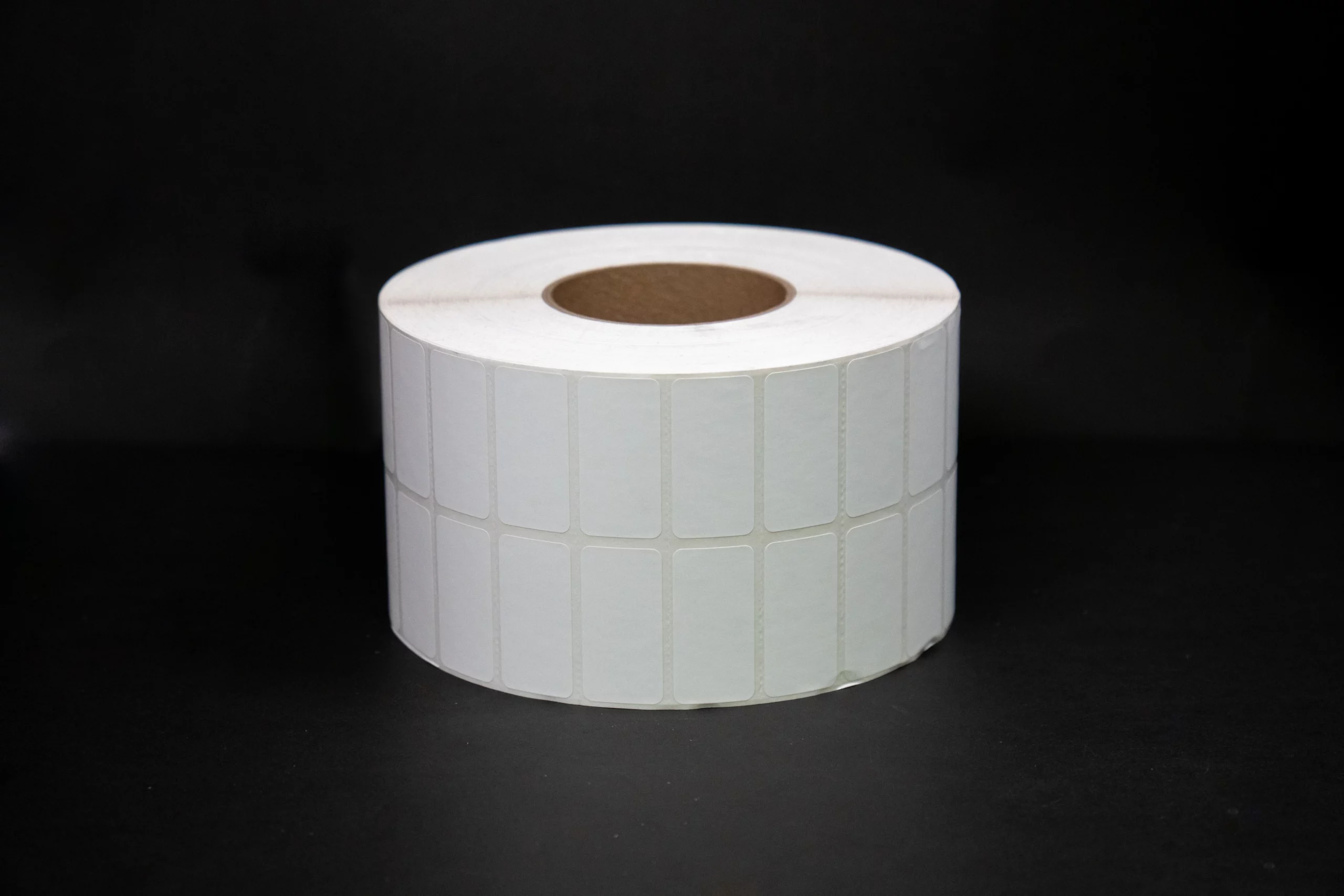
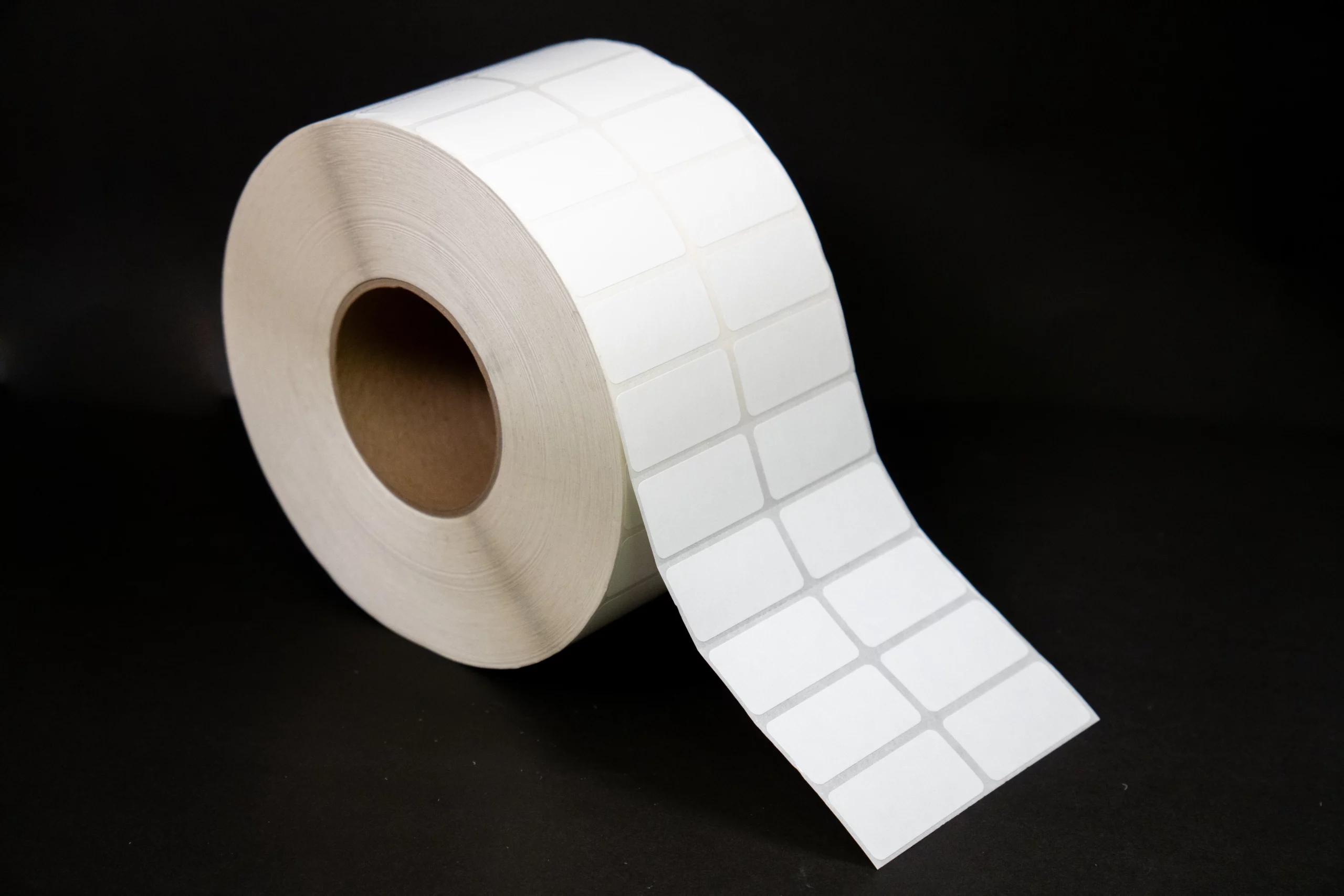
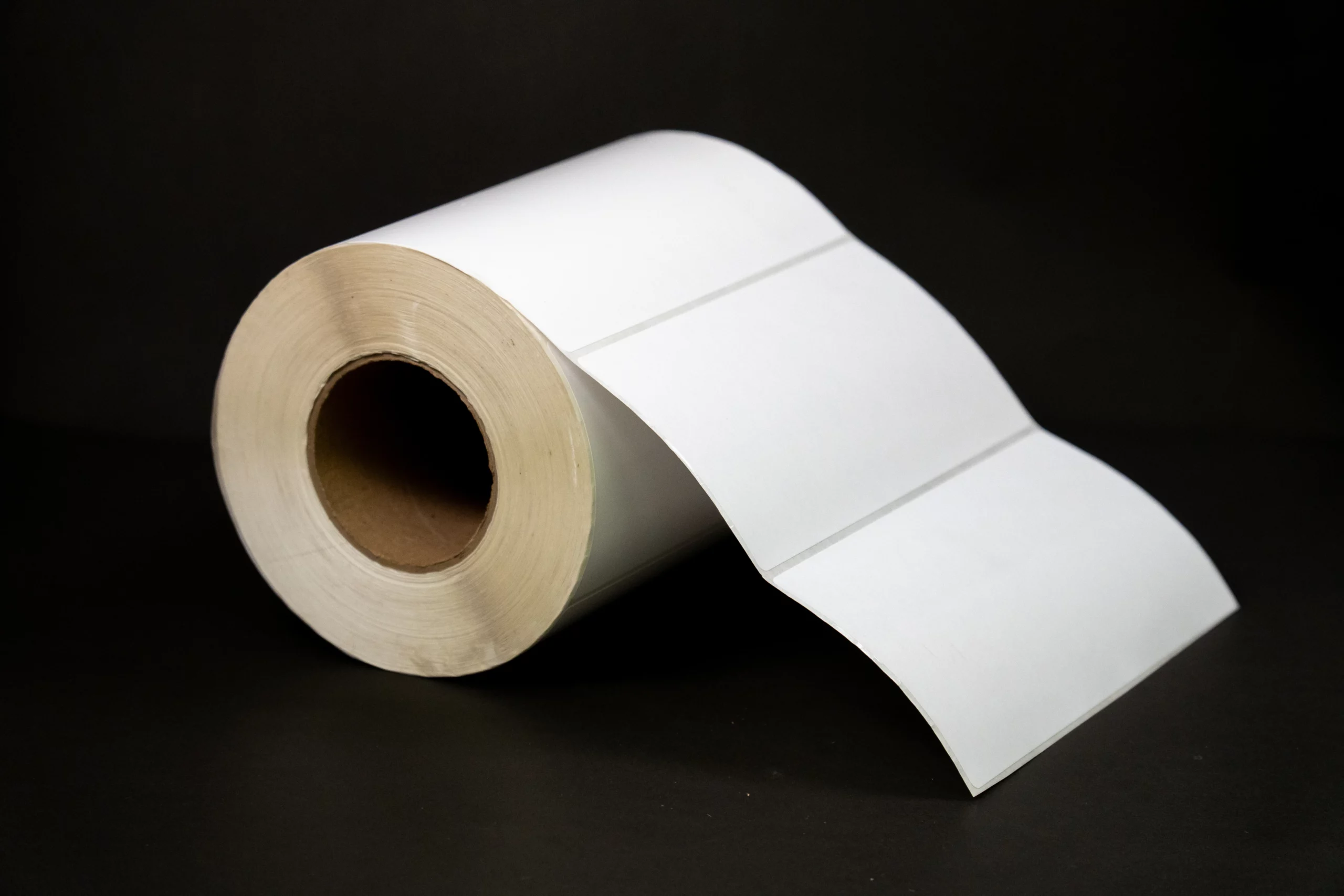
Blank labels are typically supplied in either rolls or fan-folded formats, and the right choice depends on how the labels will be printed, handled, and applied in your operation.
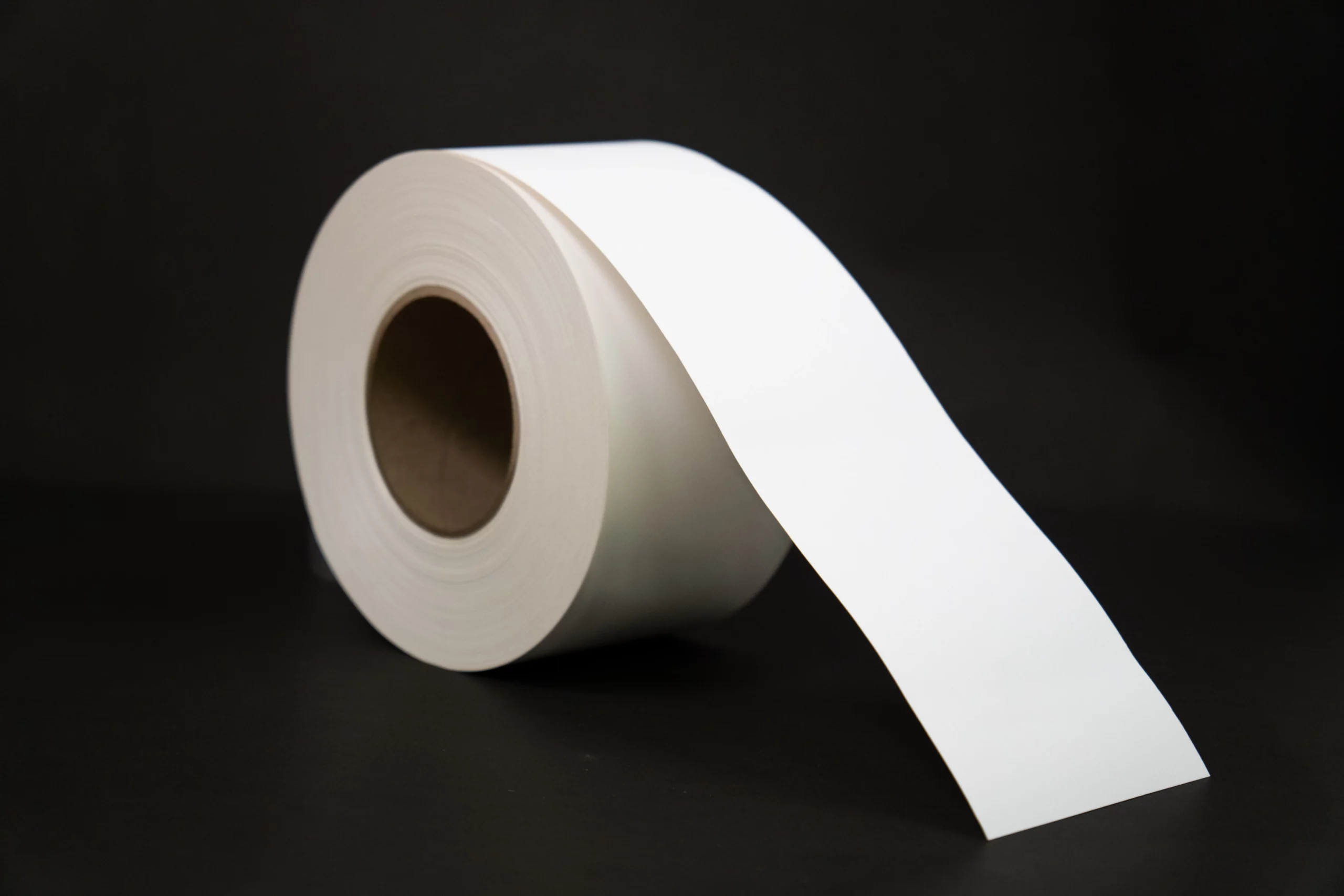
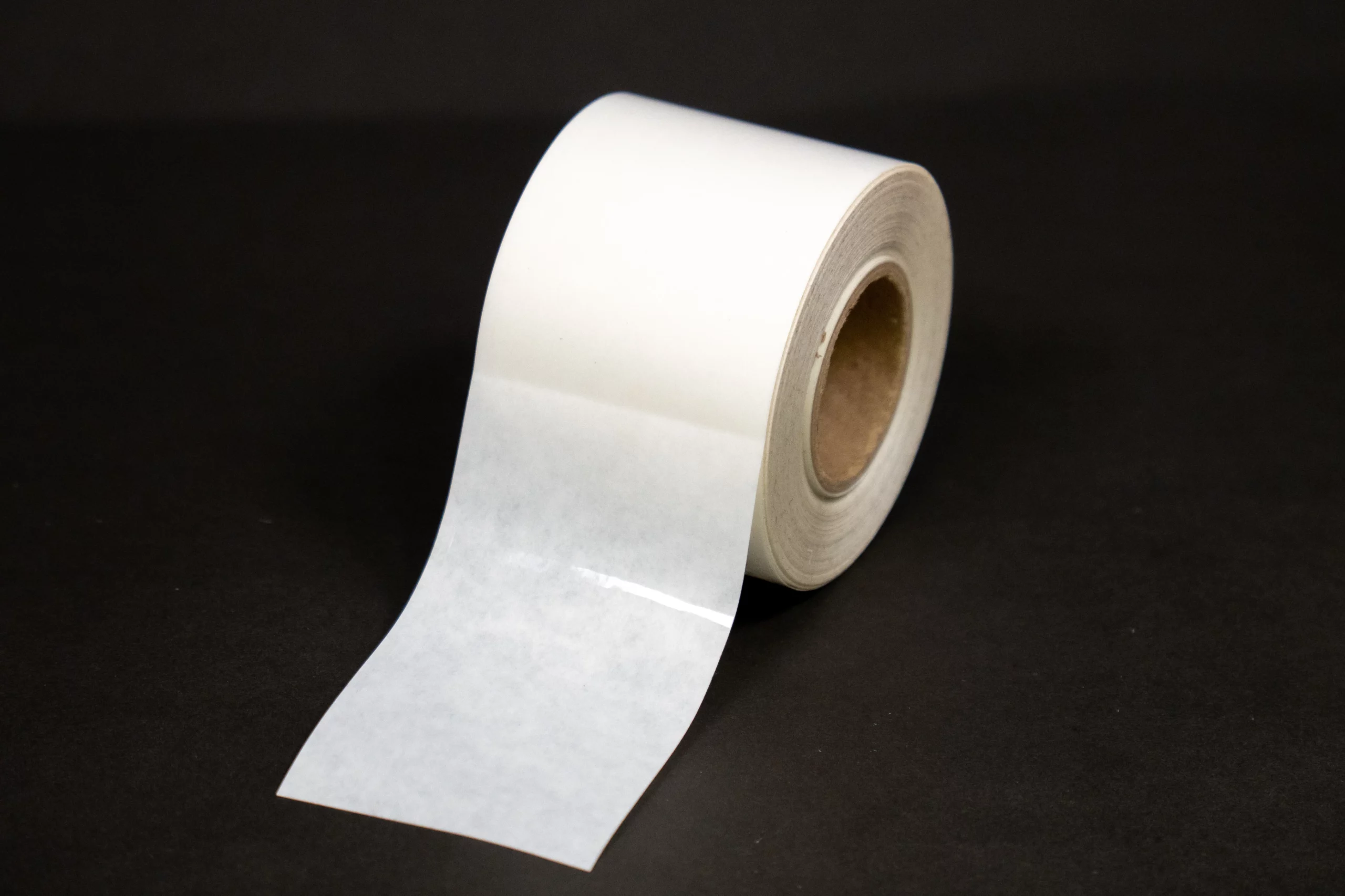
Roll labels are a common choice for higher-volume printing and applications that use dispensers, applicators, or production workflows that require efficient label handling. They are often the best option for both color inkjet and thermal label printers and support smoother operation in many printing environments.
Fan-fold labels are stacked rather than wound on a roll and can be a practical option for certain thermal printing applications. They are often useful when space is limited, when multiple different labels are needed in lower quantities, or when a printer is set up to handle fan-fold media efficiently.
The right supply format depends on your printer setup, label volumes, workflow, and how the labels will be applied. Choosing the right format can improve ease of use, reduce interruptions, and help your labeling process run more efficiently.
Blank labels support a wide range of business and operational needs. From product packaging to warehouse identification, the right blank label helps ensure information is printed clearly, applied correctly, and performs as expected in the field.
Used for branding, ingredient information, product identification, warnings, and packaging details across many industries.
Designed for clear, scannable printing in inventory control, product tracking, asset management, and operational workflows.
Used for cartons, parcels, and logistics applications where speed, readability, and efficient handling are important.
Built for location marking, inventory identification, and barcode scanning in warehouse and distribution environments.
Applied to flexible packaging, cartons, corrugate, and other packaging formats where durability and adhesion matter.
Used for packaged goods, chemicals, food and beverage products, and other container labeling applications.
Used for product identification, compliance information, lot control, and regulated labeling requirements.
Designed for applications where hazard communication, warnings, durability, and legibility are essential.
Some companies print labels in-house because they need flexibility, variable data, or the ability to print on demand. Others prefer to outsource printed labels to save time, simplify operations, or maintain consistency at scale. Pacific Barcode supports both approaches.
We can help you choose blank labels that match your printer, material requirements, adhesive needs, and application environment. This helps ensure better print quality, smoother operation, and label performance that fits the job.
Pacific Barcode can also provide professionally printed labels when outsourcing is the better fit. That gives you the option to align the right label construction with the right printing method, without having to manage the process internally.
Whether you print in-house or outsource, the goal is the same: choose a labeling solution that supports quality, efficiency, and real-world performance.
The best blank label type depends on what you are printing, how long the label needs to last, and the type of printer you use. Here is a simple way to compare the most common options.
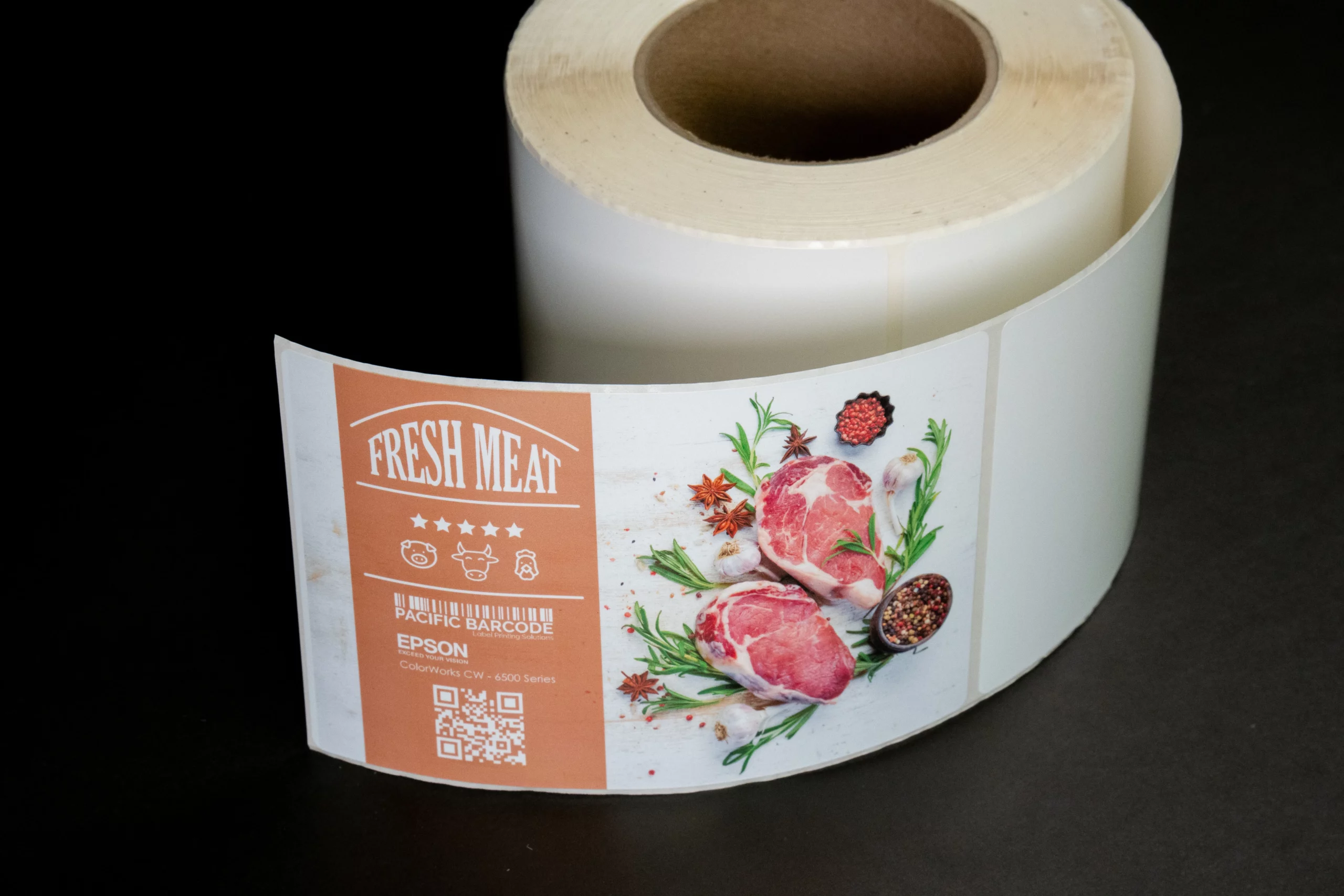
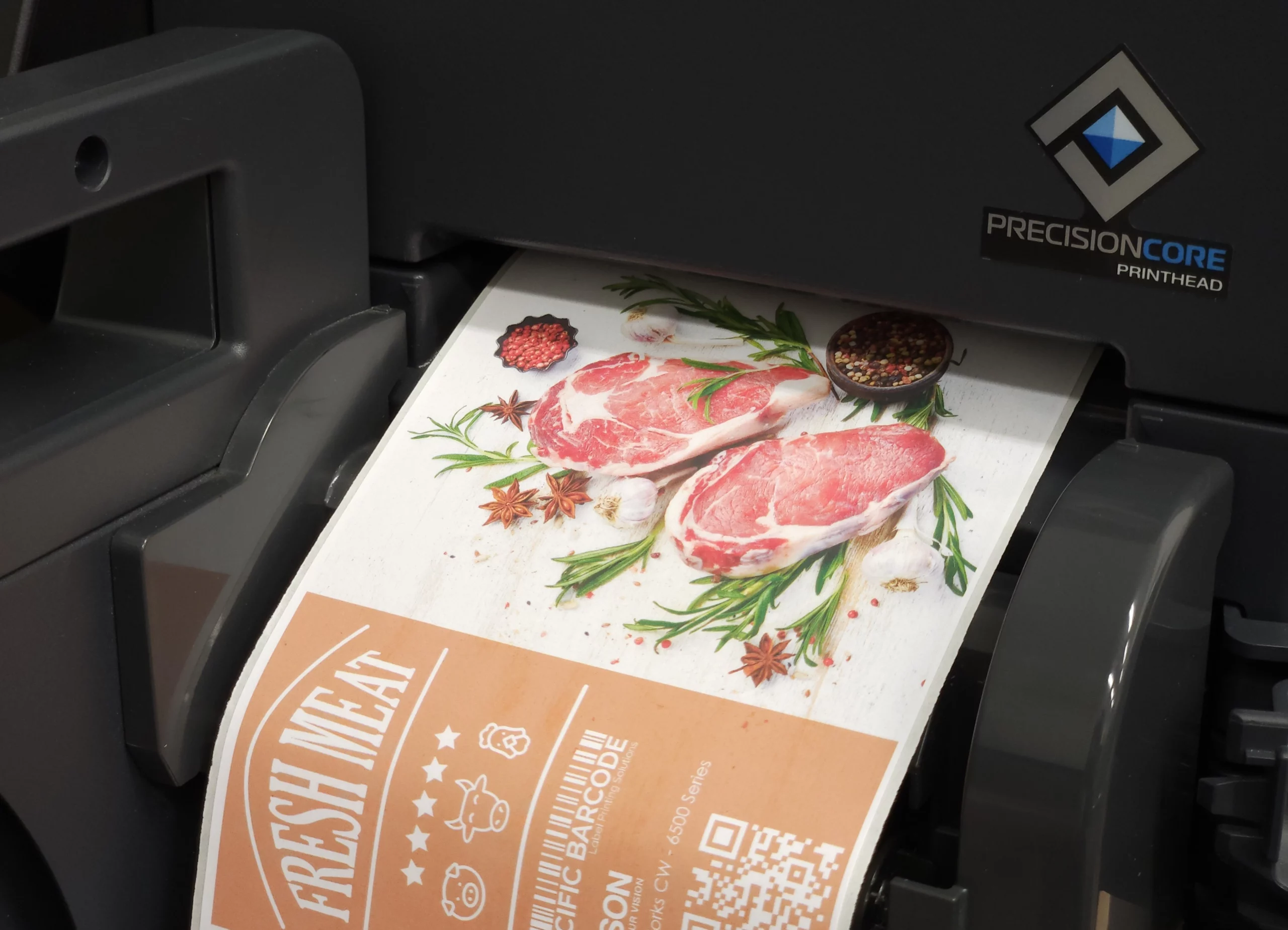
Best for applications that require color, sharp graphics, and a more polished presentation. These labels are commonly used for product packaging, branding, compliance information, and short-run label production on color inkjet printers.
Best for applications that require durability and long-lasting print performance. These labels are widely used for barcodes, inventory labels, warehouse identification, asset tracking, and industrial labeling.
Best for short-term applications where speed and efficiency are the priority. These labels are often used for shipping, logistics, temporary product identification, and work-in-process labeling.
If you are unsure which direction is right for your operation, our team can help you narrow the options based on your printer, environment, surface, and end use.
| Label Type | Best For | Printer Type | Strengths | Common Uses |
|---|---|---|---|---|
| Blank Inkjet Labels | Color labels, branding, short runs | Color inkjet printers | High color quality | Product labels, packaging |
| Blank Thermal Transfer Labels | Durable barcode labeling | Thermal transfer printers | Long-lasting print | Inventory, asset, warehouse |
| Blank Direct Thermal Labels | Short-term identification | Direct thermal printers | Simple, efficient | Shipping, logistics |
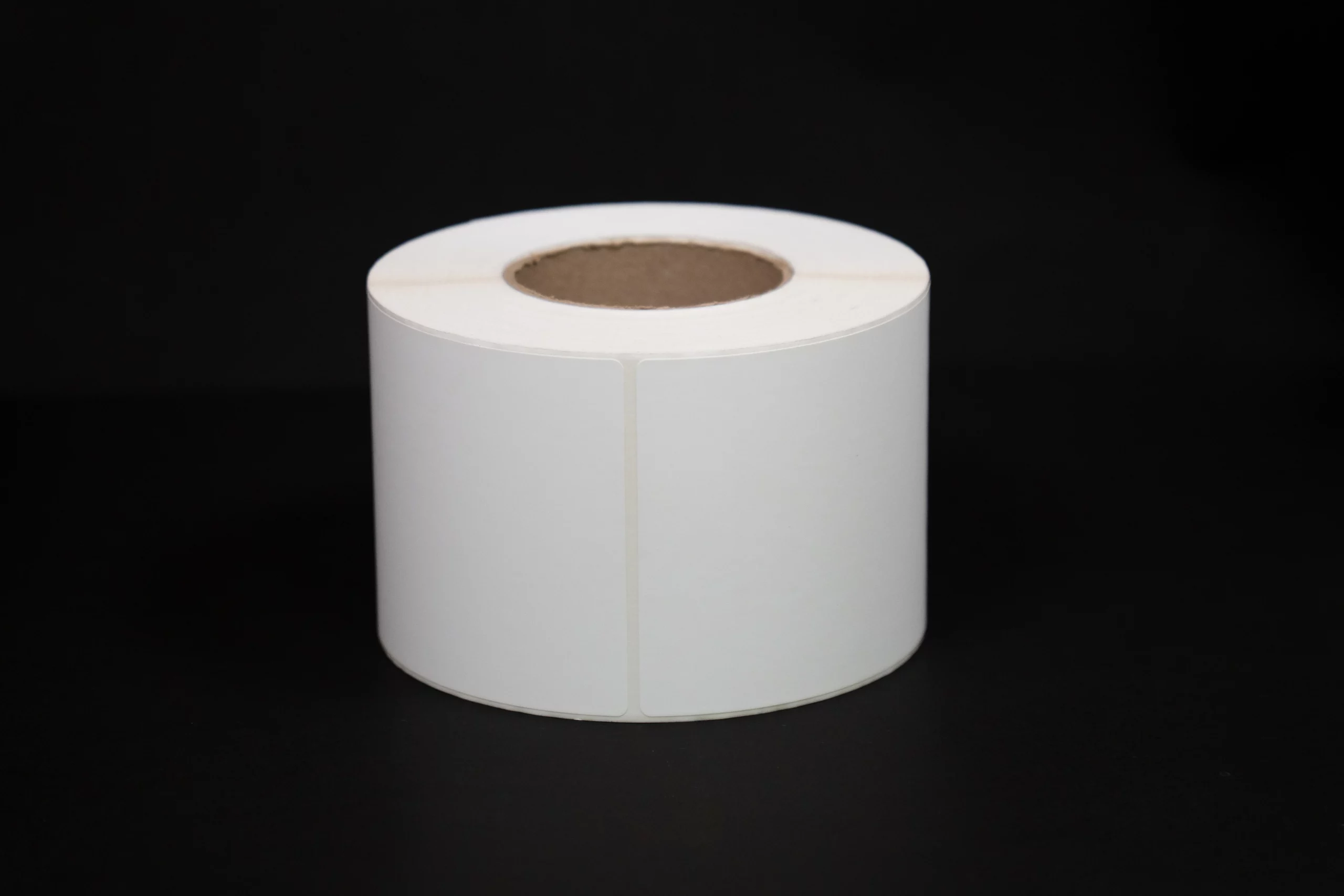
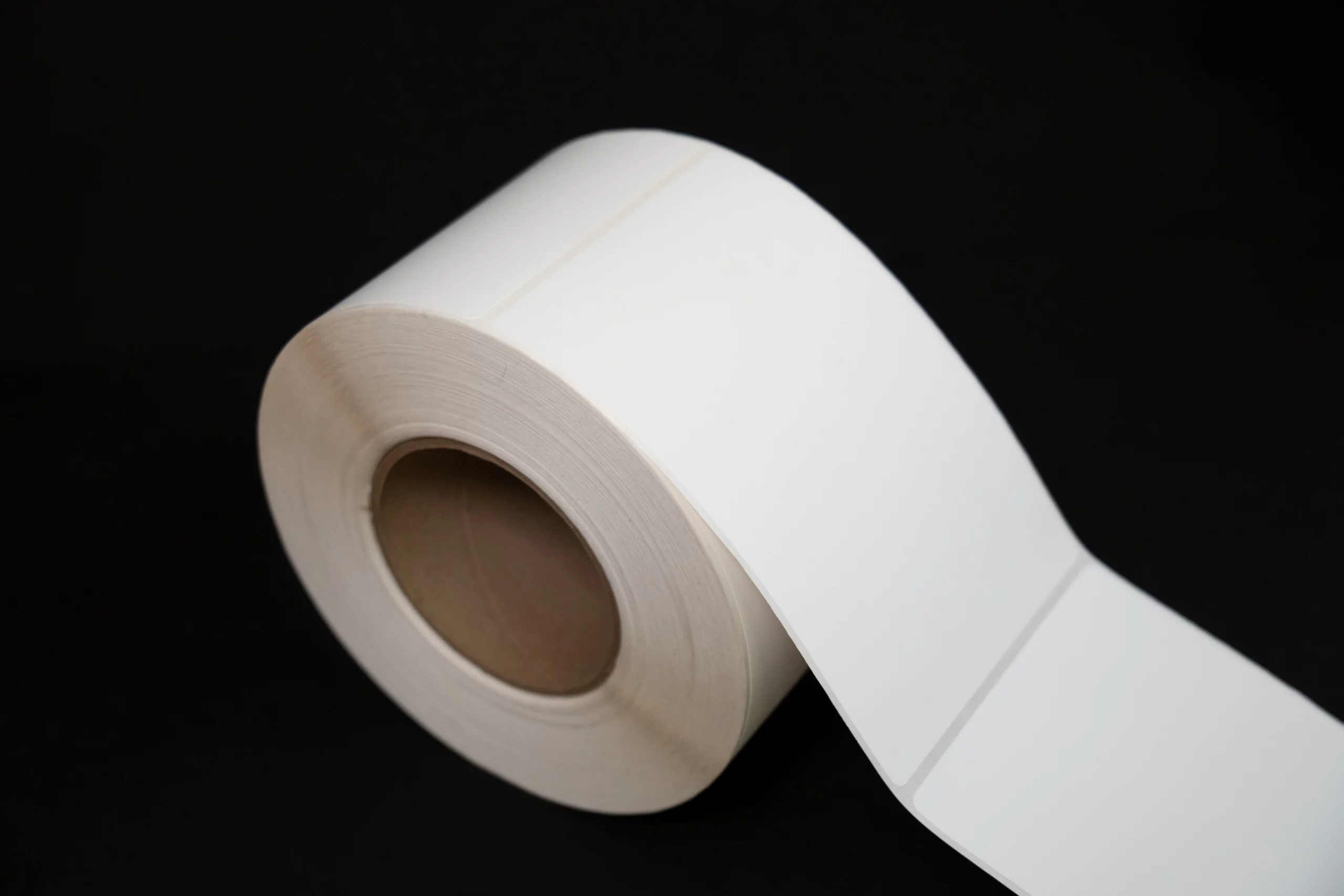
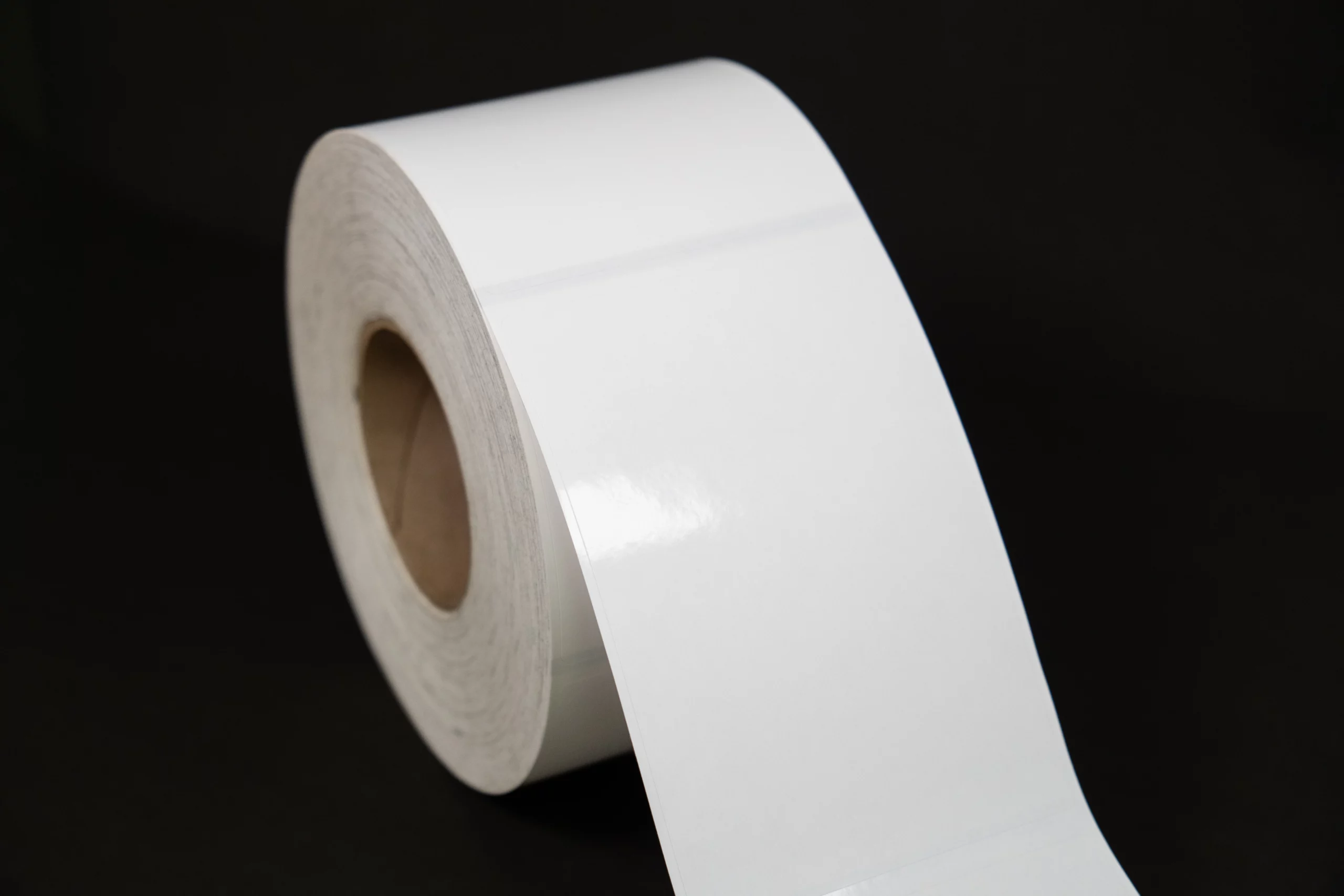
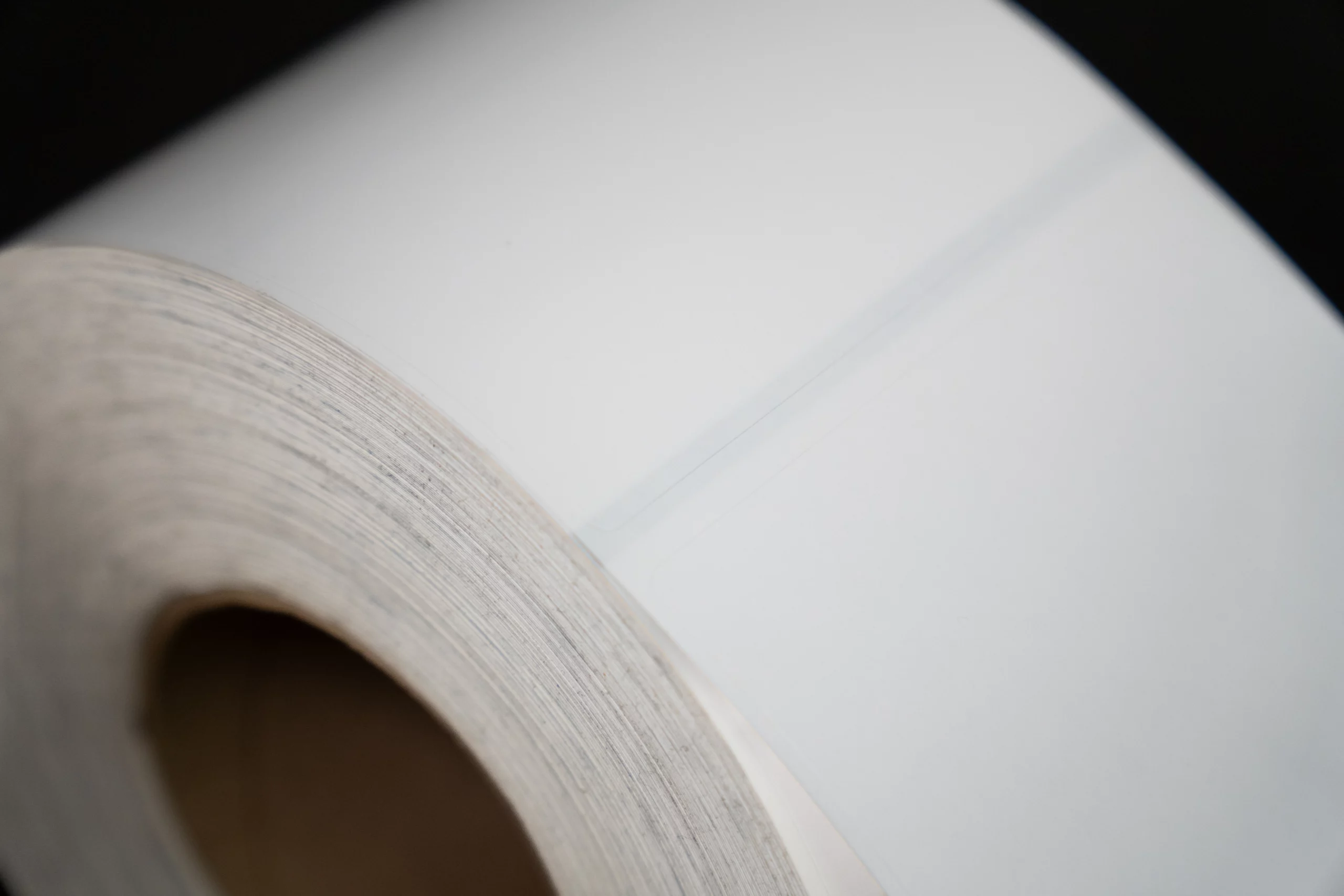
Buying blank labels should not be a guessing game. The right label depends on your printer, application, surface, and operating environment. That is where Pacific Barcode comes in.
We help customers choose blank labels based on how they will actually be used, not just what looks right in a catalog. Whether you need blank inkjet labels for color printing, thermal transfer labels for durable barcode applications, or direct thermal labels for shipping and logistics, we can help you find the right material and adhesive for the job.
Customers choose Pacific Barcode for practical guidance, responsive support, and real experience with labeling systems, materials, and applications. We also support both blank and printed labels, giving you the flexibility to choose the solution that fits your operation today and scales with you as your needs grow.
Blank labels are used for product identification, barcode labeling, shipping, warehouse operations, inventory control, compliance labeling, and many other business applications where labels are printed on demand.
Blank inkjet labels are designed for color inkjet printers and are typically used when color, branding, and presentation matter. Blank thermal labels are designed for thermal printers and are commonly used for barcodes, shipping, inventory, and operational labeling.
Thermal transfer labels require a ribbon and are generally used for more durable, long-lasting printing. Direct thermal labels do not use a ribbon and are typically best for short-life applications such as shipping and temporary identification.
The right adhesive depends on the surface, environment, and how long the label needs to stay in place. Some applications require repositionable or removable adhesives, while others need a permanent adhesive for long-term use.
Yes. Material selection is one of the most important parts of label performance. We help customers choose face stocks based on print method, durability needs, environment, and application requirements.
Yes. In addition to standard options, custom sizes and constructions may be available depending on the application and requirements.
Yes. Blank labels can be used for warehouse racks, bins, shelves, barcode systems, asset tracking, compliance labeling, and many other industrial uses when the proper materials and adhesives are selected.
Yes. Pacific Barcode can support both blank labels for in-house printing and printed labels for customers who prefer an outsourced solution.
The right blank label can improve print quality, support smoother operations, and reduce issues caused by poor material or adhesive selection. Whether you need blank inkjet labels for color product labeling or blank thermal labels for barcodes, shipping, warehouse, or industrial use, Pacific Barcode can help you choose the right solution for your application.
Get a Quote Talk to a Label Specialist